
Understanding Sleep Apnea and Its Implications
Sleep apnea is a serious sleep disorder characterized by repeated interruptions in breathing during sleep. It can broadly be classified into three types: obstructive sleep apnea (OSA), central sleep apnea (CSA), and complex sleep apnea syndrome, which is a combination of the two. Obstructive sleep apnea is the most common form, occurring when the throat muscles intermittently relax and block the airway during sleep. Central sleep apnea arises when the brain fails to send appropriate signals to the muscles that control breathing. Finally, complex sleep apnea syndrome is a mix of the symptoms associated with both OSA and CSA.
The symptoms of sleep apnea often include loud snoring, gasping for air during sleep, excessive daytime sleepiness, and difficulty concentrating. Many individuals may not realize they have sleep apnea due to the lack of awareness of their sleeping patterns. However, untreated sleep apnea can lead to severe health risks, including heart disease, hypertension, diabetes, and stroke. Regular disruptions in sleep quality can contribute to long-term consequences such as cardiovascular issues, debilitating daytime fatigue, and impaired cognitive function.
Sleep apnea is not a rare condition; in fact, it affects millions of individuals worldwide. Though it can occur in people of all ages, it is more prevalent among middle-aged and older adults, as well as those with certain risk factors such as obesity, a family history of sleep apnea, or specific anatomical characteristics of the upper airway.
Recognizing the early symptoms of sleep apnea is crucial for seeking timely intervention. If left unmanaged, this condition can significantly impact an individual’s overall health and quality of life. An ENT evaluation can be instrumental in diagnosing and treating sleep apnea effectively, ensuring that patients receive the care they need to restore their sleep quality and health.
The Link Between Snoring and Sleep Apnea
Snoring is a common phenomenon, often perceived as a mere annoyance. However, it can be a significant indicator of underlying health issues, such as obstructive sleep apnea (OSA). This condition involves intermittent blockage of the upper airway during sleep, leading to disrupted breathing. The relationship between snoring and sleep apnea lies in the physiological mechanisms that generate these sounds. When the throat muscles relax during sleep, the upper airway becomes narrowed. As air passes through this constricted passage, it causes the surrounding tissues to vibrate, which produces the sound of snoring.
In many cases, snoring serves as an alarming precursor to sleep apnea. Episodes of loud snoring often coincide with periods of cessation in breathing, which are hallmark symptoms of OSA. While not every individual who snores will develop this sleep disorder, persistent or loud snoring should not be dismissed. It is crucial to understand that OSA patients often exhibit symptoms such as choking or gasping during sleep, poor concentration during the day, and excessive daytime sleepiness. These signs can significantly impact an individual’s quality of life if left unaddressed.
Despite these connections, there are misconceptions regarding snoring and sleep apnea. A common belief is that all snorers experience sleep apnea; however, this is not accurate. Some individuals snore due to other benign factors, such as nasal congestion or the position in which they sleep. Nevertheless, if snoring persists and is accompanied by other concerning symptoms, it warrants an evaluation by a healthcare professional. A thorough assessment by an ear, nose, and throat (ENT) specialist can help determine whether or not sleep apnea exists, allowing for timely intervention and treatment.
The Role of ENT Evaluation in Diagnosing Sleep Disorders
Ear, Nose, and Throat (ENT) specialists play a critical role in the diagnosis of sleep disorders, particularly sleep apnea. This condition, which is often characterized by loud snoring and intermittent cessation of breathing during sleep, can significantly impair an individual’s health and quality of life. An evaluation by an ENT specialist provides an in-depth analysis of the various factors that contribute to sleep apnea, including anatomical obstructions in the upper airway.
The evaluation process typically begins with a thorough physical examination, where the specialist inspects the nasal passages, throat, and other relevant structures. This examination may include a look at the size and position of the tonsils, uvula, and other soft tissues in the throat that could potentially obstruct airflow during sleep. By identifying physical attributes and possible abnormalities, an ENT specialist can establish whether these anatomical factors are contributing to the patient’s sleep-disordered breathing.
In addition to the physical examination, the ENT evaluation encompasses a detailed discussion of the patient’s medical history. This discussion focuses on symptoms experienced both while awake and during sleep. Factors such as allergies, previous illnesses, and family history of sleep disorders are essential components that assist in forming a comprehensive understanding of the patient’s condition. Furthermore, if initial evaluations suggest a complex case of sleep apnea, the specialist may refer the patient for overnight sleep studies, enabling further monitoring of sleep patterns and breathing.
ENT specialists utilize a variety of tools and techniques for diagnosing airway obstructions. These may include endoscopic examinations that allow for a visual assessment of the nasal and throat passages. Such evaluations are vital, as they help in crafting effective treatment plans, ultimately leading to significant improvements in the patient’s overall health and quality of sleep.
Treatment Options and Lifestyle Changes Post-Evaluation
After undergoing an evaluation by an ear, nose, and throat (ENT) specialist, individuals diagnosed with sleep apnea will find that there are various treatment options and lifestyle changes available to enhance their management of this condition. Recognizing the importance of a comprehensive treatment plan is vital for improving sleep quality and overall well-being.
A fundamental aspect of managing sleep apnea lies in lifestyle modifications. Weight management has proven to be a critical factor; even a modest reduction in body weight can lead to significant improvements in symptoms. Adopting a balanced diet along with a regular exercise regimen can help individuals maintain a healthy weight, subsequently reducing the severity of sleep apnea.
Another lifestyle change involves positional therapy, which encourages individuals to avoid sleeping on their backs. Many people with sleep apnea experience a worsening of symptoms when in this position, as it can lead to an increased likelihood of airway obstruction. Utilizing special pillows or sleeping in a side position can be beneficial in mitigating these risks.
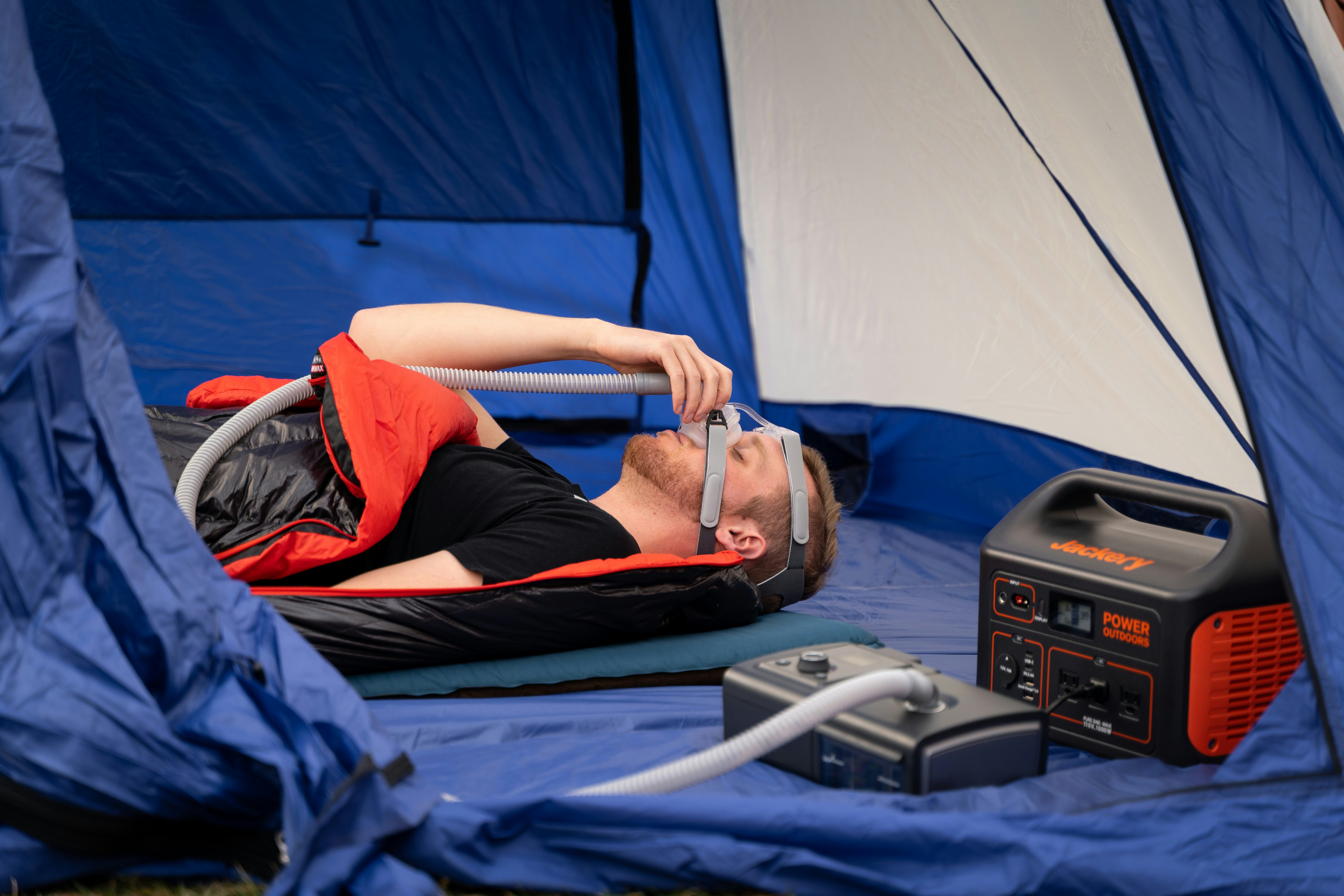
In addition to these modifications, medical treatments such as Continuous Positive Airway Pressure (CPAP) therapy are commonly prescribed following an evaluation. CPAP devices work by delivering a continuous stream of air to keep the airway open during sleep; they have been shown to be effective in reducing snoring and improving overall sleep quality. Compliance with therapy, however, is essential for achieving optimal results.
Surgical options may also be considered for individuals who do not respond well to conservative treatments. Procedures can include the removal of excess tissue from the throat or other structural adjustments to improve airflow. Consulting with an ENT specialist will assist patients in deciding the most effective approach tailored to their specific needs.
Ultimately, taking a proactive approach post-evaluation, involving both lifestyle changes and appropriate medical interventions, can significantly enhance the management of sleep apnea, leading to a healthier and more restful life.