
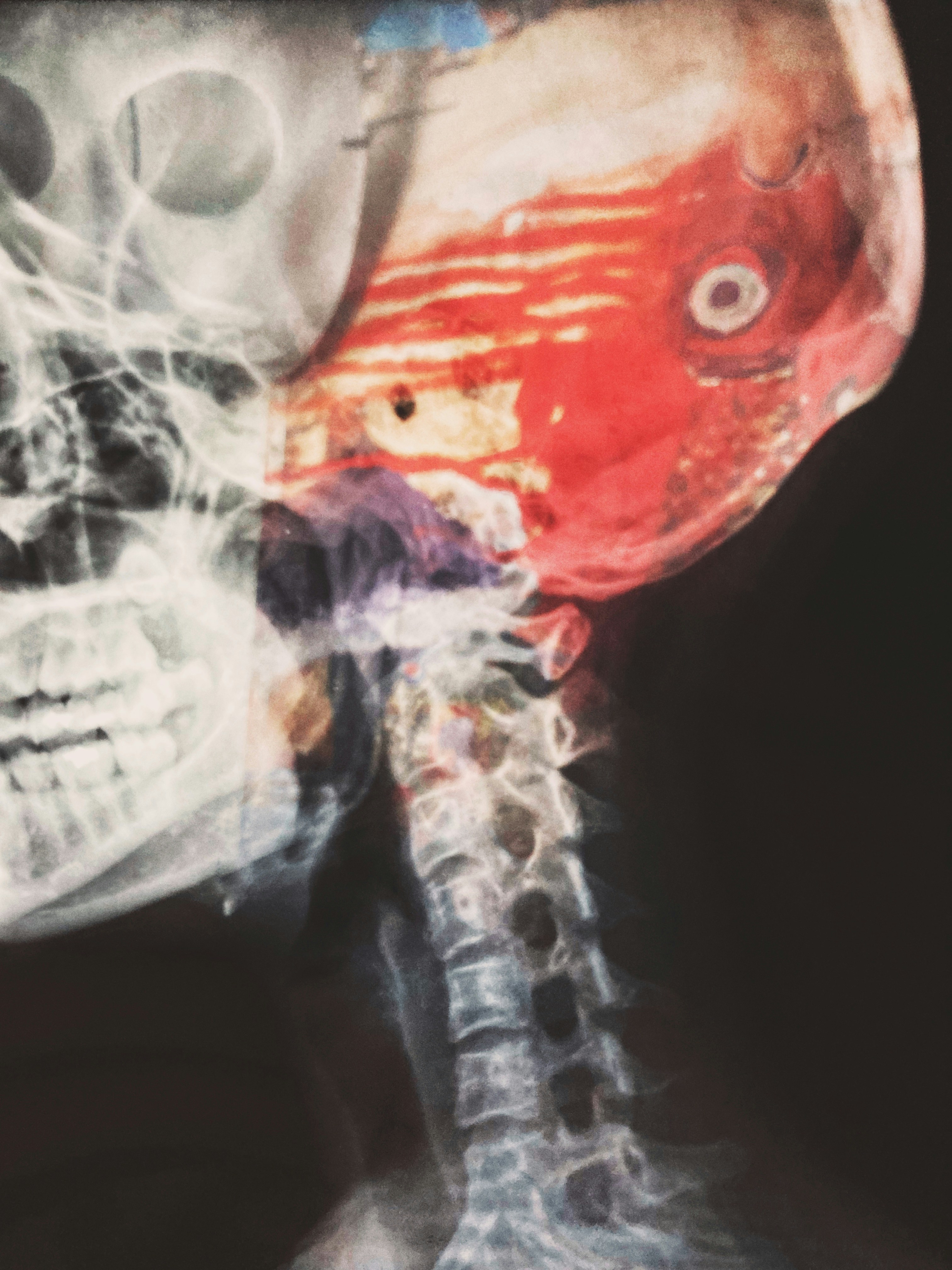
Understanding Head and Neck Cancer
Head and neck cancer is an umbrella term for a diverse group of malignancies that arise in the anatomical structures of the head and neck region. These cancers primarily include cancers of the oral cavity, pharynx, larynx, nasal cavity, sinuses, and salivary glands. Although they are collectively termed “head and neck cancers,” they can exhibit distinct characteristics and behaviors depending on their origin. Among the most prevalent types are squamous cell carcinomas, which predominantly arise from the mucosal linings of the oral cavity and throat.
Several risk factors contribute to the development of head and neck cancers, including tobacco use, excessive alcohol consumption, and certain viral infections, notably human papillomavirus (HPV). Additionally, exposure to radioactive substances and occupational hazards can increase susceptibility to these cancers. Individuals who engage in habits such as smoking are particularly at a heightened risk, given the synergistic effects of tobacco and alcohol on epithelial cell damage. As with many cancers, early detection is crucial. Symptoms may initially be subtle, often progressing to more pronounced issues, including persistent sore throat, difficulty swallowing, changes in voice, or lumps in the neck.
The impact of head and neck cancers extends beyond physical health; they can significantly affect an individual’s quality of life. Patients may experience challenges related to speech, eating, and social interactions, owing to the location of these cancers. Furthermore, the psychological burden can be substantial, as individuals grapple with the implications of a cancer diagnosis. Establishing a proactive approach through awareness and education is paramount in improving early diagnosis. By understanding the various types, risk factors, and symptoms associated with head and neck cancers, individuals can take informed steps toward advocating for their health and seeking timely medical intervention.
Surgical Treatments for Head and Neck Cancer
Surgical intervention is a critical aspect of the treatment paradigm for head and neck cancer, aiming to remove tumors and affected lymph nodes while preserving as much healthy tissue as possible. The specific type of surgery performed is contingent upon the cancer’s location, stage, and the overall health of the patient. Common surgical options include tumor resection, lymph node dissection, and various reconstructive procedures.
Tumor resection involves the systematic removal of the tumor along with a surrounding margin of healthy tissue to minimize the chance of residual cancer. This procedure can be performed using traditional open surgery or through minimally invasive techniques, which may offer reduced recovery times and lower risk of complications. Lymph node dissection may occur concurrently, especially if there is concern that cancer has metastasized to nearby nodes. This is crucial as lymphatic involvement can significantly influence prognosis and treatment planning.
Reconstructive surgeries often follow tumor removal, particularly when significant tissue disruption occurs. Such procedures may utilize grafts or flaps from other body parts to restore function and aesthetics to the affected area, which is particularly important in preserving the patient’s quality of life. The decision-making process for surgical intervention involves multidisciplinary collaboration among surgeons, oncologists, and other healthcare professionals, ensuring a comprehensive evaluation of the patient’s case.
However, surgical options come with inherent risks, including infection, bleeding, and complications related to anesthesia. Furthermore, the removal of tissue in sensitive areas can lead to functional impairments, such as difficulty swallowing or changes in speech. Careful consideration of these risks versus the expected outcomes is essential. Ultimately, the goal is to achieve optimal cancer control while minimizing the impact on the patient’s daily life and future treatment plans.
Radiation Therapy: Techniques and Applications
Radiation therapy plays a crucial role in the treatment of head and neck cancer, serving as either a primary treatment modality or an adjunct to surgery and chemotherapy. This therapy utilizes high-energy particles or waves, such as X-rays, to target and kill cancer cells. Among the various techniques available, external beam radiation therapy (EBRT) and brachytherapy stand out as prominent options.
External beam radiation therapy is often employed for its ability to treat large areas or tumors that are difficult to access surgically. This method delivers focused radiation to the cancerous cells while sparing as much healthy tissue as possible. It is generally used when the tumor is localized, and its application may be combined with chemotherapy to enhance overall treatment efficacy. A typical regimen may involve daily treatment sessions over several weeks, necessitating careful planning to optimize outcomes and minimize side effects.
Brachytherapy, on the other hand, involves placing a radioactive source directly within or near the tumor. This technique is particularly effective in certain cases of head and neck cancer, allowing for a high dose of radiation to be delivered directly to the cancer site while limiting exposure to surrounding tissues. Brachytherapy is commonly used for smaller, localized tumors and can be a suitable option for patients who may not tolerate external beam radiation well.
Despite its effectiveness, radiation therapy is not without side effects. Common adverse effects include skin irritation, fatigue, and swallowing difficulties, which may significantly affect a patient’s quality of life. The side effects tend to vary based on individual patient characteristics, the radiation technique employed, and the specific region of the head and neck being treated. Therefore, tailoring the radiation plan to the patient’s unique circumstances is vital in maximizing treatment benefits while minimizing complications.
In considering radiation therapy options, it is important for healthcare providers to assess individual patient needs carefully. Factors such as tumor stage, location, and patient overall health condition will influence the decision-making process. The integration of radiation therapy with other treatment approaches can further enhance its effectiveness, underlining the need for a comprehensive and personalized treatment strategy.
Emerging Treatment Options and Supportive Care
The landscape of treatment for head and neck cancer is evolving, with new modalities such as targeted therapies and immunotherapy gaining traction. Targeted therapies focus on specific molecular targets associated with cancer, potentially offering a more effective and less harmful alternative to conventional treatments like chemotherapy and radiation. For instance, drugs that inhibit the Epidermal Growth Factor Receptor (EGFR) have shown promise in clinical settings, providing a more tailored approach to combat tumor growth and metastasis.
Immunotherapy represents another frontier, harnessing the body’s immune system to fight cancer cells. Agents that employ immune checkpoint inhibitors, such as pembrolizumab and nivolumab, have demonstrated significant efficacy in patients with head and neck squamous cell carcinoma. By blocking proteins that suppress immune responses, these therapies enhance the ability of immune cells to recognize and destroy cancer cells. Clinical trials continue to explore the full spectrum of immunotherapeutic options, aiming to establish durable responses in patients who may not have benefited from traditional treatment routes.
Participation in clinical trials is imperative for patients considering these innovative treatment options, as they provide access to cutting-edge therapies and contribute to the advancement of medical knowledge. Moreover, these trials offer a chance for patients to engage actively in their own treatment pathways, often leading to better outcomes and increased cancer awareness.
Alongside these emerging therapies, supportive care plays a crucial role in the holistic management of individuals with head and neck cancer. Nutritional guidance is essential as the disease and its treatments may significantly impact a patient’s ability to eat and maintain proper nutrition. Additionally, psychological support can help patients navigate the emotional challenges associated with their diagnosis, treatment, and recovery. Effective communication between healthcare providers and patients regarding these support systems can foster resilience and enhance overall quality of life during treatment.