
Understanding Oral and Throat Cancer
Oral and throat cancers are significant health concerns characterized by the abnormal growth of cells in the mouth, throat, and related structures. These cancers primarily include cancers of the lip, oral cavity, oropharynx, larynx, and hypopharynx. Collectively, they are often referred to as oropharyngeal cancers, with the potential to affect vital functions such as swallowing, speaking, and breathing. Increasing awareness of these cancers is crucial, given their rising prevalence globally.
The Global Cancer Observatory reports that in 2020, there were more than 540,000 new cases of oral cavity and oropharyngeal cancers, making them a substantial portion of diagnosed malignancies. Factors such as age, gender, geographical region, and lifestyle choices significantly influence the likelihood of developing these cancers. Notably, men are at a higher risk compared to women, and individuals over the age of 50 have a greater incidence of diagnosis.
Oral and throat cancers tend to develop as a result of prolonged exposure to harmful substances, with tobacco and alcohol being two of the most significant risk factors. These cancers may manifest with symptoms such as persistent mouth sores, difficulty swallowing, unexplained weight loss, and a persistent sore throat. Recognizing these signs is vital for early detection, which is essential for improving treatment outcomes.
While various treatment options exist, including surgery, radiation, and chemotherapy, they can often result in challenging side effects. Therefore, understanding the fundamental aspects of oral and throat cancer is crucial. This knowledge paves the way for discussions regarding external risk factors, particularly the lethal combination of tobacco and alcohol, which can markedly increase the incidence of these cancers. Addressing these lifestyle choices can lead to significant reductions in the prevalence and impact of oral and throat cancers.
The Role of Tobacco in Cancer Development
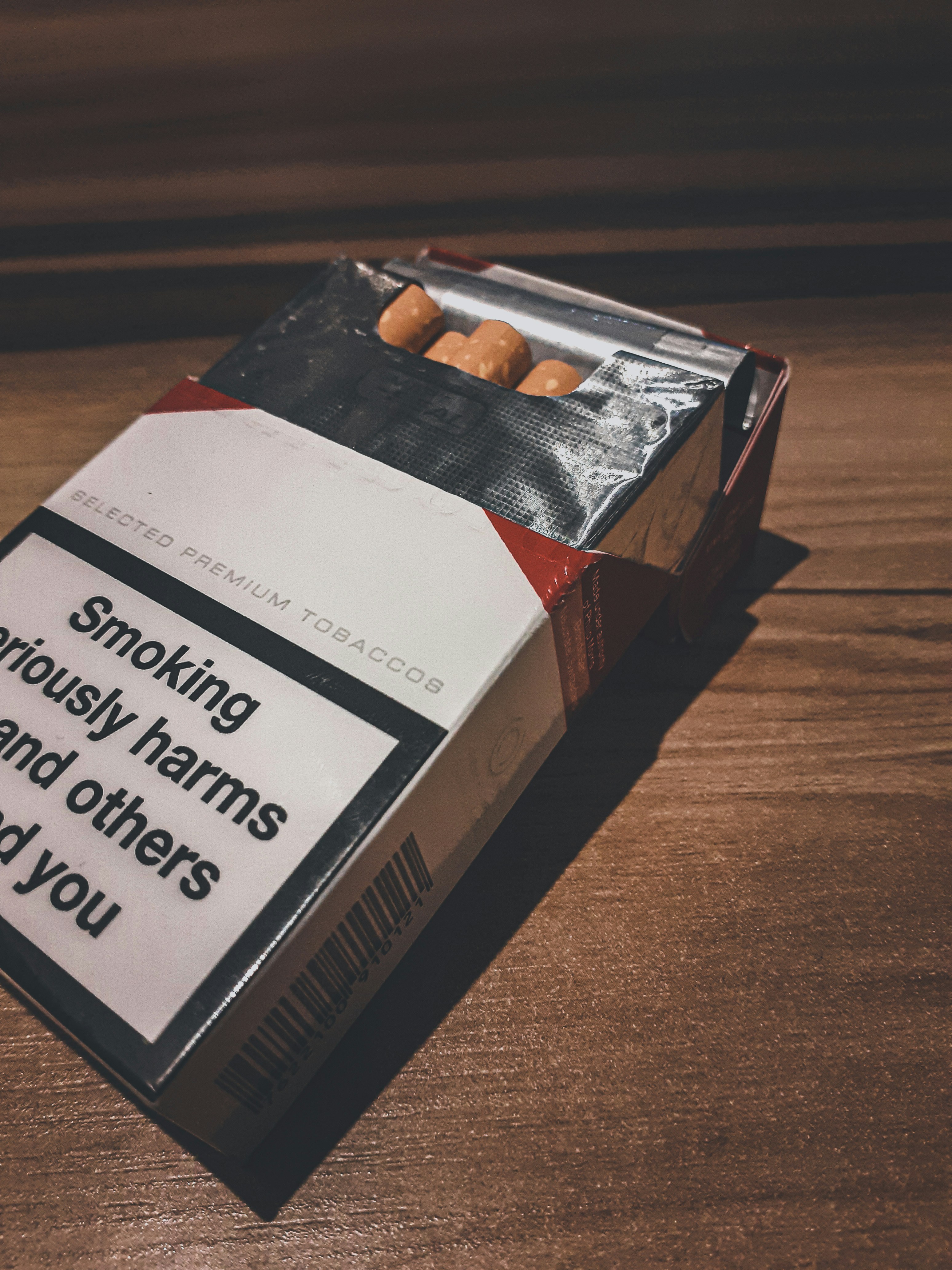
Tobacco use, whether through smoking or chewing, is a significant contributor to the development of oral and throat cancers. The harmful chemicals present in tobacco can cause significant damage to cellular structures in oral tissues, leading to malignancies. Over 7,000 different chemicals are derived from tobacco smoke, among which at least 70 are known carcinogens. For instance, substances like formaldehyde, benzene, and nitrosamines are particularly detrimental, promoting genetic mutations that can trigger cancerous growths.
When tobacco is consumed, these toxic compounds are absorbed into the bloodstream, where they can affect various organs. In the oral cavity, continuous exposure to tobacco irritates and inflames the mucous membranes, leading to dysplasia, which is the abnormal growth of cells. This condition can evolve into cancer over time. Studies have consistently shown that individuals who use tobacco in any form are at a significantly increased risk of developing cancers of the mouth and throat compared to non-users. For example, research indicates that smokers are six times more likely to develop oral cancers than non-smokers, while smokeless tobacco users have a threefold increased risk.
The relationship between the amount of tobacco consumed and the likelihood of developing cancer is often described as dose-dependent. Higher levels of tobacco usage correlate with increased cancer risk, underscoring the importance of not only cessation efforts but also awareness campaigns aimed at reducing tobacco consumption. As cancer can take many years to develop, the cumulative effects of long-term tobacco exposure highlight the urgent need for preventive measures and public health initiatives to address this critical issue. An understanding of the role of tobacco in cancer development is essential for fostering a healthier society.
How Alcohol Consumption Amplifies Cancer Risk
Alcohol consumption has been identified as a significant risk factor for the development of oral and throat cancers. The carcinogenic potential of alcohol is multifaceted, involving various biological mechanisms that can compromise cellular integrity. Ethanol, the primary component in alcoholic beverages, is metabolized in the body to acetaldehyde, a toxic compound recognized as a probable human carcinogen. This metabolite can cause DNA damage and alter the cellular repair processes, paving the way for malignancies to emerge.
Research suggests that the risk of developing oral and throat cancers correlates with both the type of alcoholic beverage consumed and the amount ingested. Epidemiological studies indicate that individuals who consume over three alcoholic drinks per day face a higher risk of these cancers compared to those who drink less or abstain altogether. Furthermore, alcoholic beverages with higher ethanol content, such as spirits, have been associated with increased cancer risk relative to lower-alcohol options like wine or beer. However, even moderate consumption can contribute to a compounded risk when coupled with other factors such as tobacco use.
The synergistic effect of alcohol and tobacco is particularly alarming. When consumed together, these substances interact in a manner that significantly amplifies the likelihood of cancer development. Tobacco can enhance the absorption of alcohol in the oral cavity, leading to increased exposure of the tissues to carcinogens from both sources. Studies have revealed that the combined use of these substances leads to a markedly higher risk of oral cavity and pharyngeal cancers than either substance would individually. Thus, understanding the dynamics of alcohol consumption within the context of cancer risk is imperative in forming effective public health strategies aimed at reducing the incidence of these devastating diseases.
Preventive Measures and Support Resources
Addressing the risks associated with tobacco and alcohol consumption is crucial in mitigating the potential for oral and throat cancers. Effective preventive measures, including cessation programs, play a vital role in this endeavor. Tobacco users are encouraged to explore a range of cessation programs tailored to their individual needs. These programs often provide counseling sessions, support groups, and resources designed to facilitate quitting. Numerous studies have demonstrated that participants in structured cessation initiatives significantly enhance their chances of successfully overcoming addiction. Additionally, many health organizations offer helplines and online support platforms to assist individuals in their journey to cease tobacco use.
Reducing alcohol intake is equally important in lowering cancer risk. Individuals should consider adopting strategies such as setting limits on consumption or abstaining during specific periods. Evidence suggests that moderate drinking, defined as up to one drink per day for women and two for men, may still carry risks. Therefore, consulting with healthcare providers about personalized moderation strategies can be beneficial. Moreover, integrating lifestyle changes, such as engaging in regular physical activity and maintaining a balanced diet, can bolster these efforts and contribute to overall well-being.
For those seeking assistance, numerous resources are available to support individuals in confronting tobacco and alcohol dependence. National organizations, such as the American Cancer Society and the Substance Abuse and Mental Health Services Administration (SAMHSA), offer valuable information, support networks, and potentially life-saving treatments. These organizations also provide educational resources about the importance of early detection of oral and throat cancers, underscoring the significance of routine screenings and consultations with healthcare professionals.
By empowering readers with this information about preventive measures and available support resources, it becomes clear that individual actions can profoundly impact reducing the risks of oral and throat cancers. Taking proactive steps toward cessation, moderating alcohol use, and utilizing support networks can lead to significantly healthier outcomes.